Trends and Insights on the Landscaping Services Industry
The modern market for property design, exterior renovation, and ongoing grounds care is undergoing a massive transformation as property owners prioritize ecological sustainability, functional outdoor living areas, and advanced technological innovation. Professional landscaping services have expanded far beyond traditional lawn mowing and hedge trimming, evolving into comprehensive ecological management solutions that enhance property aesthetics, environmental health, and overall real estate valuation. Today, residential and commercial clients alike seek sophisticated outdoor designs that seamlessly blend natural beauty with water conservation principles, smart automation systems, and low maintenance requirements over time. As broader economic shifts, urban development trends, and environmental factors reshape consumer preferences, industry professionals must continually adapt their techniques to meet evolving demands across diverse urban, suburban, and rural environments. Understanding these emerging developments provides valuable clarity for homeowners, commercial property managers, facility directors, and industry leaders looking to optimize exterior environments, protect long-term investments, and foster sustainable community landscapes across every season.
Embracing Sustainable Environmental Practices
According to NIP Group, with more than 726,000 businesses employing roughly 1.3 million employees, the U.S. landscaping services industry generates nearly $200 billion in annual revenue. This immense economic presence reflects a growing nationwide appreciation for professionally designed, meticulously constructed, and regularly maintained outdoor environments. Within this vast economic sector, environmental sustainability has shifted from an occasional consumer preference to a core baseline expectation for residential and commercial projects alike. Property owners increasingly request sustainable landscapes that conserve valuable natural resources while supporting localized ecosystems and beneficial native wildlife. Industry professionals are responding by incorporating native flora, drought-tolerant foliage, and specialized soil management techniques that minimize dependence on synthetic chemical treatments and excessive irrigation. By aligning property design with natural surrounding ecosystems, property managers can drastically reduce long term operational expenditures while fostering healthier, more resilient outdoor habitats that thrive despite seasonal changes.
Beyond thoughtful plant selection, sustainable operational methodologies are reshaping daily property maintenance routines across the entire green sector. Many commercial enterprises, municipal managers, and residential communities actively seek landscaping services that utilize battery-powered maintenance machinery rather than traditional gasoline-powered equipment. Electric mowers, trimmers, leaf blowers, and hand tools drastically reduce carbon emissions while significantly lowering ambient noise levels during routine grounds care, creating a far more pleasant atmosphere for residents, office workers, and neighborhood visitors. Additionally, organic soil enrichment techniques, natural pest management strategies, and municipal composting initiatives are replacing chemical-heavy management practices across diverse geographic regions. These eco-friendly approaches safeguard soil vitality, protect regional water tables from hazardous chemical runoff, and provide safer outdoor environments for community members, visitors, and domestic pets. Embracing environmental stewardship allows forward-thinking firms to satisfy expanding environmental regulations while fulfilling consumer desire for cleaner, healthier community spaces.
Integrating Advanced Technological Solutions
Technological innovation is radically changing how complex property management tasks are planned, monitored, and executed across residential and commercial sites. Modern irrigation platforms now utilize smart sensors, wireless internet connectivity, and localized weather data feeds to adjust watering schedules automatically based on real-time atmospheric conditions. Instead of relying on static mechanical timers that waste water during heavy precipitation events, these intelligent systems monitor precise soil moisture levels and adjust fluid distribution accordingly. The integration of precision irrigation technology prevents wasteful overwatering, curbs municipal utility costs, and protects delicate plant health from root saturation and fungal disease. Modern property owners view smart technology as an indispensable asset for maintaining vibrant greenery while honoring rigorous water conservation goals and regional sustainability standards in every region.
In addition to automated irrigation, advanced robotic equipment and specialized digital management software are streamlining daily operations for top providers of landscaping services. Autonomous mowing equipment, guided by subterranean boundary wires or spatial satellite positioning systems, can maintain expansive turf areas continuously with minimal direct manual intervention, freeing up human labor for specialized horticultural tasks. Meanwhile, property managers utilize comprehensive software platforms for digital site mapping, field crew scheduling, client communications, transparent job costing, and real-time inventory tracking. These digital solutions improve organizational efficiency, decrease operational downtime, and ensure reliable service execution across complex project sites. Adopting advanced tech options helps companies overcome operational bottlenecks while delivering precise, consistent results that elevate overall customer satisfaction and long-term property value for clients.
Expanding Outdoor Living Spaces
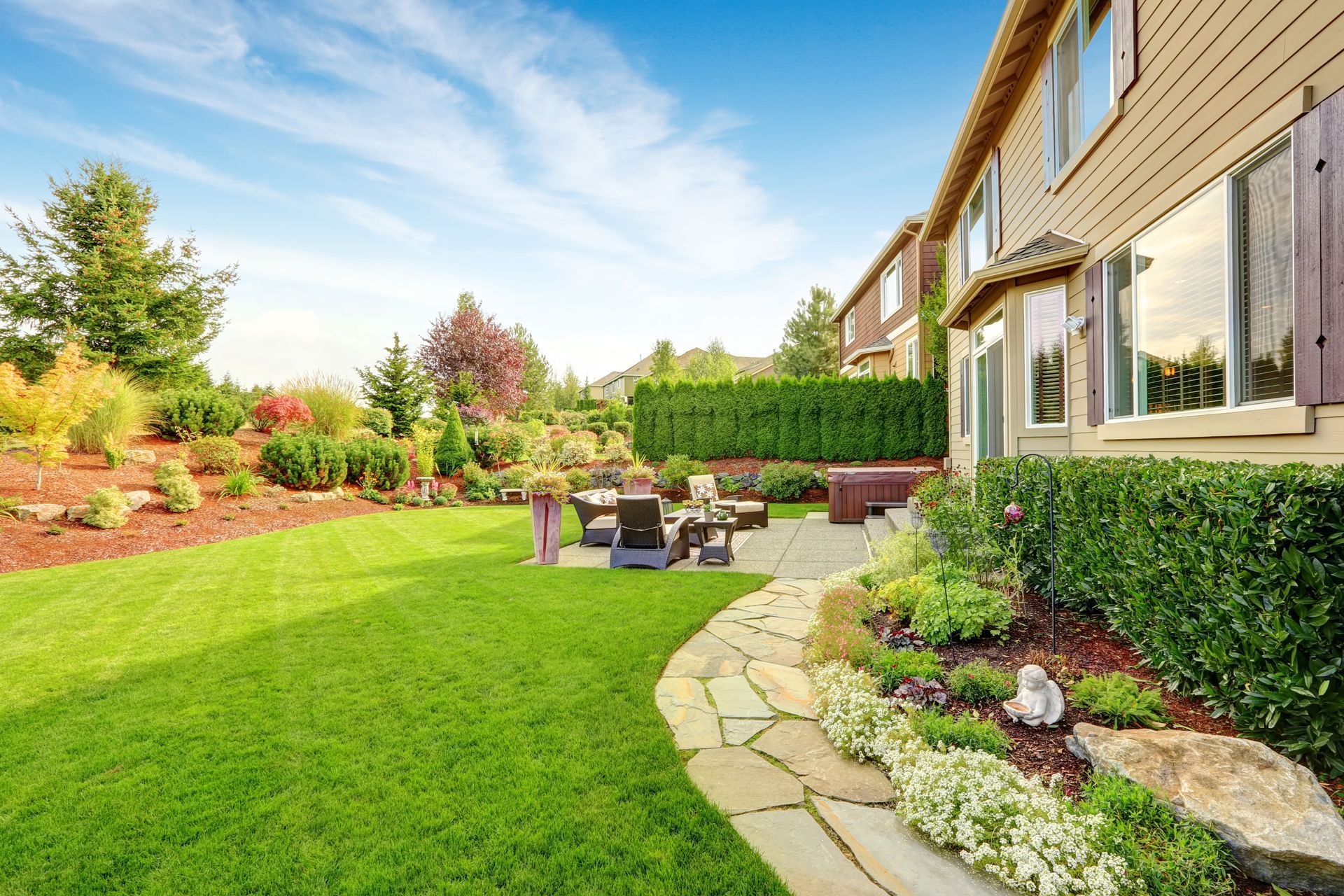
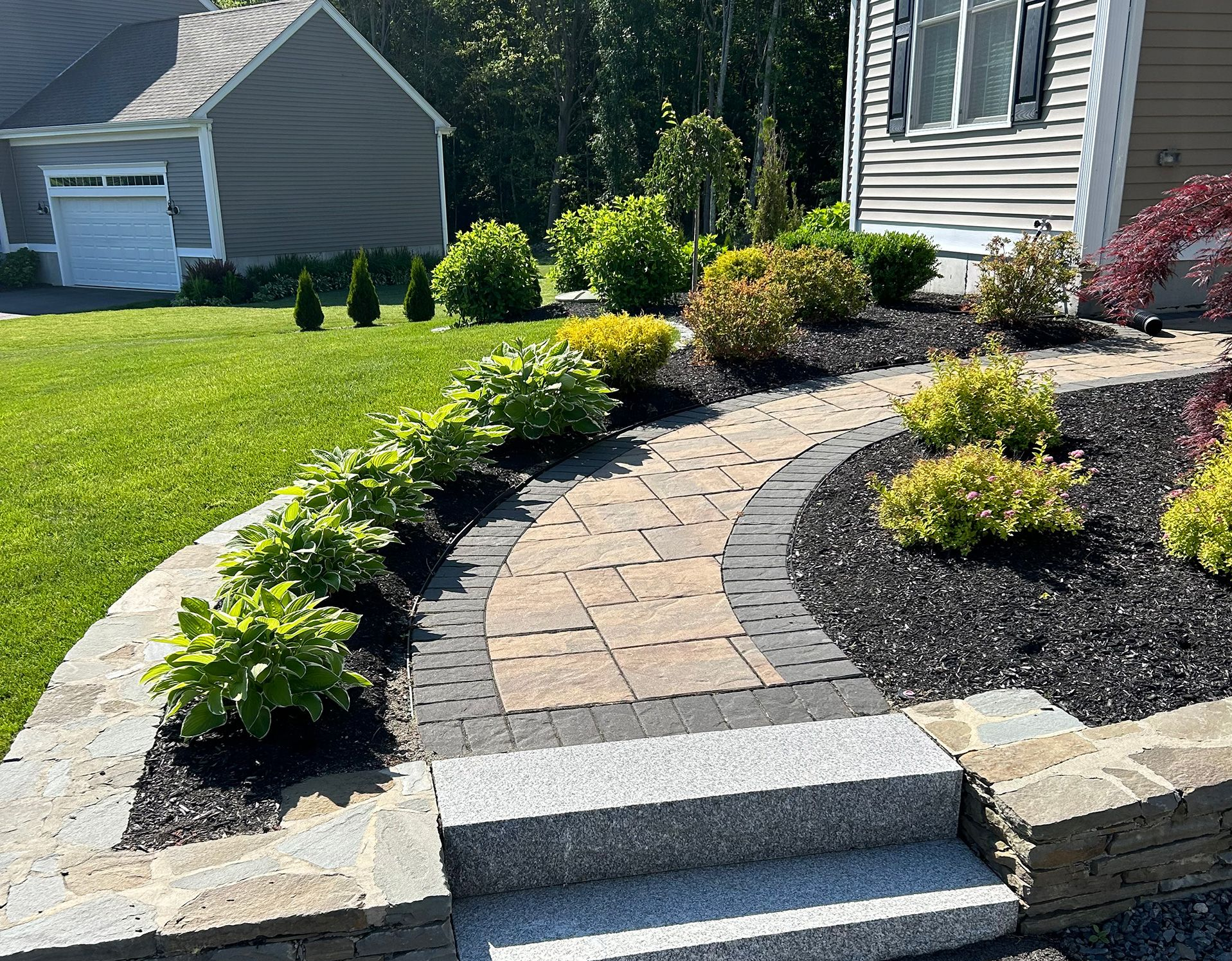
The concept of the traditional residential backyard is rapidly evolving into a fully functional extension of indoor living space, driven by changing lifestyle habits and an increased emphasis on home enjoyment. Property owners are investing heavily in expansive hardscaping projects, including custom natural stone patios, integrated outdoor kitchens, built-in fire pits, comfortable permanent seating areas, and tranquil water features. These thoughtfully designed exterior spaces create seamless transitions between indoor and outdoor living, serving as highly functional venues for family dining, personal relaxation, and entertaining guests throughout the year. Incorporating custom low-voltage illumination systems allows these outdoor environments to remain safe and fully usable well into the evening hours, maximizing utility and aesthetic enjoyment across multiple seasons and weather conditions.
Commercial properties are similarly recognizing the substantial economic, branding, and wellness benefits of expanded outdoor gathering areas for employees and visitors alike. Office parks, residential apartment complexes, healthcare facilities, hospitality venues, and educational institutions are contracting landscaping services to build tranquil courtyard spaces, walking paths, and shaded outdoor break areas. Integrating lush foliage, ergonomic seating, and decorative shade structures provides restorative environments that promote mental wellness, reduce daily stress, and boost productivity. Enhanced curb appeal and versatile outdoor amenities also elevate overall property valuation, attracting premium commercial tenants and boosting long term lease retention rates across competitive commercial real estate portfolios in expanding suburban markets.
Navigating Industry Workforce Challenges
Despite strong demand for property enhancements, the broad grounds management sector faces ongoing operational pressures related to workforce availability and skilled labor recruitment. Sourcing skilled horticultural professionals, reliable heavy equipment operators, landscape architects, and experienced project managers remains a significant hurdle for growing service companies across the country. To combat labor shortages, leading firms are investing heavily in comprehensive workforce development initiatives, safety training programs, competitive compensation packages, and clear career advancement pathways. Developing structured internal training programs allows companies to elevate entry-level employees into specialized technical roles, ensuring consistently high standards of workmanship across all completed installation and maintenance projects for valued customers.
To further offset widespread labor constraints, modern companies offering landscaping services are upgrading their machinery fleets with high-efficiency tools that maximize human labor output. High-capacity ride-on equipment, automated material handling machinery, specialized trenchers, and streamlined transport vehicles enable field crews to complete labor-intensive tasks in significantly less time with reduced physical strain. Furthermore, establishing long term preventive maintenance contracts helps businesses generate predictable recurring income while optimizing workforce scheduling throughout the entire calendar year. By balancing human capital investment with advanced mechanical efficiency, industry leaders maintain high quality standards while successfully navigating dynamic labor market constraints and broader economic shifts.
Navigating the future of property enhancement requires a deep understanding of sustainability, cutting-edge technology, expanding outdoor design trends, and proactive workforce management. As environmental expectations rise and modern lifestyle needs continue to evolve, investing in high-quality landscaping services becomes essential for maintaining beautiful, functional, and resilient properties over the long term. Working with knowledgeable professionals ensures that every exterior project achieves structural harmony, resource efficiency, and lasting aesthetic appeal across all seasons. To transform your residential or commercial exterior space with innovative solutions and reliable craftsmanship, get in touch with Yukon Landscaping Inc.


Share On: